
Are mains-wired smoke alarms a legal must?
Legally, not always. The law says every storey of a rented home needs a working smoke alarm, and a battery alarm can meet that. However, BS 5839-6, the code of practice for fire alarms in homes, recommends mains-wired smoke alarms for every rented home.
In addition, councils and building control expect them in new builds, loft conversions and most HMOs anyway. So for most London landlords, mains-wired smoke alarms are the safer and simpler choice.
What landlords must do by law
The Smoke and Carbon Monoxide Alarm Regulations apply to private landlords in England. You must fit a smoke alarm on every storey with living accommodation, and a carbon monoxide alarm in any room with a fixed combustion appliance, such as a boiler or wood burner, but not a gas cooker.
You must also check the alarms work on the day the tenancy starts, and repair or replace them once a tenant tells you they are faulty.
Why mains-wired smoke alarms are worth it
Battery alarms tick the legal box; however, mains-wired alarms do the job better.
Tenants cannot remove the battery
Grade D1 alarms have a sealed backup battery, so the alarm cannot be disabled by taking the battery out.
Every alarm sounds together
Mains-wired smoke alarms are interlinked; therefore, a fire downstairs also sets off the alarm upstairs.
Fewer chirping calls
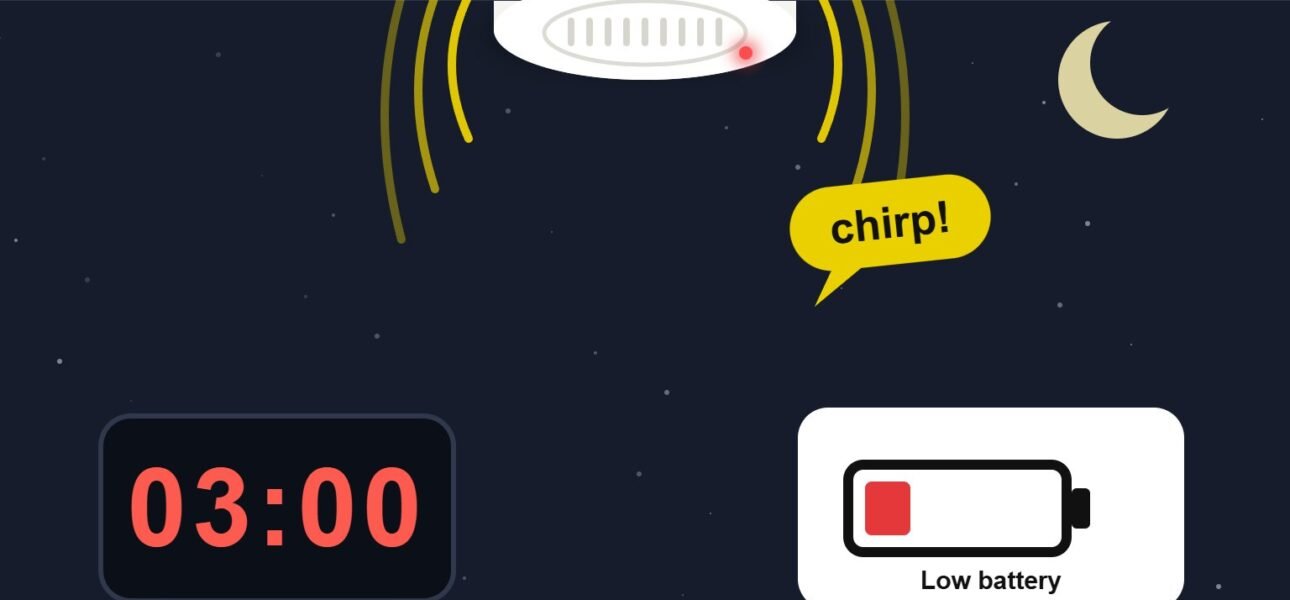
There are no batteries to swap every year, so you also get fewer calls from tenants about beeping alarms.
Ready for HMOs and licences
Most HMO and licensing checks expect mains-wired, interlinked alarms, so you are ready before the inspector arrives.
Around 10 years of life
Most alarms last about 10 years, and the manufacturer prints the date on the back, which makes replacements easy to plan.
Proof you took it seriously
In addition, an installer's paperwork shows exactly what was fitted and when, if anything ever goes wrong.
What BS 5839-6 recommends for rented homes
BS 5839-6 grades alarms by how they are powered, and sets categories for which rooms they cover. For rented homes, it recommends Grade D1, which means mains-wired smoke alarms with a sealed backup battery.
It also recommends Category LD2: alarms in the escape routes, as well as the living room and a heat alarm in the kitchen. As a result, the alarms spot a fire early in the rooms where it is most likely to start.
%3C%2Ftext%3E%3Ccircle%20cx%3D%2258%22%20cy%3D%22300%22%20r%3D%2211%22%20fill%3D%22none%22%20stroke%3D%22%23666%22%20stroke-width%3D%223%22%2F%3E%3Ctext%20x%3D%2280%22%20y%3D%22306%22%20font-family%3D%22Arial%2CHelvetica%2Csans-serif%22%20font-size%3D%2217%22%20fill%3D%22%23777%22%20text-anchor%3D%22start%22%20font-weight%3D%22400%22%3EBedrooms%3C%2Ftext%3E%3Ccircle%20cx%3D%2258%22%20cy%3D%22352%22%20r%3D%2211%22%20fill%3D%22none%22%20stroke%3D%22%23666%22%20stroke-width%3D%223%22%2F%3E%3Ctext%20x%3D%2280%22%20y%3D%22358%22%20font-family%3D%22Arial%2CHelvetica%2Csans-serif%22%20font-size%3D%2217%22%20fill%3D%22%23777%22%20text-anchor%3D%22start%22%20font-weight%3D%22400%22%3EBathroom%20(never)%3C%2Ftext%3E%3Crect%20x%3D%22315%22%20y%3D%2220%22%20width%3D%22270%22%20height%3D%22380%22%20rx%3D%2224%22%20fill%3D%22%231a1a1a%22%20stroke%3D%22%23EBD000%22%20stroke-width%3D%224%22%2F%3E%3Ctext%20x%3D%22339%22%20y%3D%2264%22%20font-family%3D%22Arial%2CHelvetica%2Csans-serif%22%20font-size%3D%2228%22%20fill%3D%22%23EBD000%22%20text-anchor%3D%22start%22%20font-weight%3D%22700%22%3ELD2%3C%2Ftext%3E%3Ctext%20x%3D%22339%22%20y%3D%2292%22%20font-family%3D%22Arial%2CHelvetica%2Csans-serif%22%20font-size%3D%2216%22%20fill%3D%22%23cfcfcf%22%20text-anchor%3D%22start%22%20font-weight%3D%22400%22%3ERecommended%20for%20rentals%3C%2Ftext%3E%3Ccircle%20cx%3D%22353%22%20cy%3D%22144%22%20r%3D%2211%22%20fill%3D%22%23EBD000%22%20stroke%3D%22%23EBD000%22%20stroke-width%3D%223%22%2F%3E%3Ctext%20x%3D%22375%22%20y%3D%22150%22%20font-family%3D%22Arial%2CHelvetica%2Csans-serif%22%20font-size%3D%2217%22%20fill%3D%22%23fff%22%20text-anchor%3D%22start%22%20font-weight%3D%22400%22%3EHallway%20and%20landing%3C%2Ftext%3E%3Ccircle%20cx%3D%22353%22%20cy%3D%22196%22%20r%3D%2211%22%20fill%3D%22%23EBD000%22%20stroke%3D%22%23EBD000%22%20stroke-width%3D%223%22%2F%3E%3Ctext%20x%3D%22375%22%20y%3D%22202%22%20font-family%3D%22Arial%2CHelvetica%2Csans-serif%22%20font-size%3D%2217%22%20fill%3D%22%23fff%22%20text-anchor%3D%22start%22%20font-weight%3D%22400%22%3ELiving%20room%3C%2Ftext%3E%3Ccircle%20cx%3D%22353%22%20cy%3D%22248%22%20r%3D%2211%22%20fill%3D%22%23EBD000%22%20stroke%3D%22%23EBD000%22%20stroke-width%3D%223%22%2F%3E%3Ctext%20x%3D%22375%22%20y%3D%22254%22%20font-family%3D%22Arial%2CHelvetica%2Csans-serif%22%20font-size%3D%2217%22%20fill%3D%22%23fff%22%20text-anchor%3D%22start%22%20font-weight%3D%22400%22%3EKitchen%20(heat%20alarm)%3C%2Ftext%3E%3Ccircle%20cx%3D%22353%22%20cy%3D%22300%22%20r%3D%2211%22%20fill%3D%22none%22%20stroke%3D%22%23666%22%20stroke-width%3D%223%22%2F%3E%3Ctext%20x%3D%22375%22%20y%3D%22306%22%20font-family%3D%22Arial%2CHelvetica%2Csans-serif%22%20font-size%3D%2217%22%20fill%3D%22%23777%22%20text-anchor%3D%22start%22%20font-weight%3D%22400%22%3EBedrooms%3C%2Ftext%3E%3Ccircle%20cx%3D%22353%22%20cy%3D%22352%22%20r%3D%2211%22%20fill%3D%22none%22%20stroke%3D%22%23666%22%20stroke-width%3D%223%22%2F%3E%3Ctext%20x%3D%22375%22%20y%3D%22358%22%20font-family%3D%22Arial%2CHelvetica%2Csans-serif%22%20font-size%3D%2217%22%20fill%3D%22%23777%22%20text-anchor%3D%22start%22%20font-weight%3D%22400%22%3EBathroom%20(never)%3C%2Ftext%3E%3Crect%20x%3D%22610%22%20y%3D%2220%22%20width%3D%22270%22%20height%3D%22380%22%20rx%3D%2224%22%20fill%3D%22%231a1a1a%22%20%2F%3E%3Ctext%20x%3D%22634%22%20y%3D%2264%22%20font-family%3D%22Arial%2CHelvetica%2Csans-serif%22%20font-size%3D%2228%22%20fill%3D%22%23EBD000%22%20text-anchor%3D%22start%22%20font-weight%3D%22700%22%3ELD1%3C%2Ftext%3E%3Ctext%20x%3D%22634%22%20y%3D%2292%22%20font-family%3D%22Arial%2CHelvetica%2Csans-serif%22%20font-size%3D%2216%22%20fill%3D%22%23cfcfcf%22%20text-anchor%3D%22start%22%20font-weight%3D%22400%22%3EMaximum%3C%2Ftext%3E%3Ccircle%20cx%3D%22648%22%20cy%3D%22144%22%20r%3D%2211%22%20fill%3D%22%23EBD000%22%20stroke%3D%22%23EBD000%22%20stroke-width%3D%223%22%2F%3E%3Ctext%20x%3D%22670%22%20y%3D%22150%22%20font-family%3D%22Arial%2CHelvetica%2Csans-serif%22%20font-size%3D%2217%22%20fill%3D%22%23fff%22%20text-anchor%3D%22start%22%20font-weight%3D%22400%22%3EHallway%20and%20landing%3C%2Ftext%3E%3Ccircle%20cx%3D%22648%22%20cy%3D%22196%22%20r%3D%2211%22%20fill%3D%22%23EBD000%22%20stroke%3D%22%23EBD000%22%20stroke-width%3D%223%22%2F%3E%3Ctext%20x%3D%22670%22%20y%3D%22202%22%20font-family%3D%22Arial%2CHelvetica%2Csans-serif%22%20font-size%3D%2217%22%20fill%3D%22%23fff%22%20text-anchor%3D%22start%22%20font-weight%3D%22400%22%3ELiving%20room%3C%2Ftext%3E%3Ccircle%20cx%3D%22648%22%20cy%3D%22248%22%20r%3D%2211%22%20fill%3D%22%23EBD000%22%20stroke%3D%22%23EBD000%22%20stroke-width%3D%223%22%2F%3E%3Ctext%20x%3D%22670%22%20y%3D%22254%22%20font-family%3D%22Arial%2CHelvetica%2Csans-serif%22%20font-size%3D%2217%22%20fill%3D%22%23fff%22%20text-anchor%3D%22start%22%20font-weight%3D%22400%22%3EKitchen%20(heat%20alarm)%3C%2Ftext%3E%3Ccircle%20cx%3D%22648%22%20cy%3D%22300%22%20r%3D%2211%22%20fill%3D%22%23EBD000%22%20stroke%3D%22%23EBD000%22%20stroke-width%3D%223%22%2F%3E%3Ctext%20x%3D%22670%22%20y%3D%22306%22%20font-family%3D%22Arial%2CHelvetica%2Csans-serif%22%20font-size%3D%2217%22%20fill%3D%22%23fff%22%20text-anchor%3D%22start%22%20font-weight%3D%22400%22%3EBedrooms%3C%2Ftext%3E%3Ccircle%20cx%3D%22648%22%20cy%3D%22352%22%20r%3D%2211%22%20fill%3D%22none%22%20stroke%3D%22%23666%22%20stroke-width%3D%223%22%2F%3E%3Ctext%20x%3D%22670%22%20y%3D%22358%22%20font-family%3D%22Arial%2CHelvetica%2Csans-serif%22%20font-size%3D%2217%22%20fill%3D%22%23777%22%20text-anchor%3D%22start%22%20font-weight%3D%22400%22%3EBathroom%20(never)%3C%2Ftext%3E%3Ctext%20x%3D%22450%22%20y%3D%22432%22%20font-family%3D%22Arial%2CHelvetica%2Csans-serif%22%20font-size%3D%2215%22%20fill%3D%22%238a8a8a%22%20text-anchor%3D%22middle%22%20font-weight%3D%22400%22%3ECategories%20from%20BS%205839-6.%20A%20filled%20circle%20means%20an%20alarm%20in%20that%20room.%3C%2Ftext%3E%3C%2Fsvg%3E)
When are mains-wired smoke alarms expected?
Even though the basic law allows battery alarms, these situations usually call for mains-wired smoke alarms.
HMOs
Shared houses usually need a mains-wired, interlinked system, and larger HMOs may need more. Therefore, always check your licence conditions.
New builds and conversions
The Building Regulations expect mains-powered, interlinked alarms in new homes and flat conversions.
Loft conversions and extensions
Adding a new storey usually means upgrading the alarms in the whole house, not just the new floor.
Selective licensing areas
Some London boroughs license all rented homes, and licence conditions can also cover alarms.
Battery-only alarms
- Legal on their own for most single-let homes
- However, tenants can take the battery out
- Usually not linked, so one sounds on its own
- Also, batteries chirp and need changing
Mains-wired smoke alarms
- Recommended by BS 5839-6 for every rented home
- Sealed backup battery, so they keep working in a power cut
- Interlinked, therefore every alarm sounds together
- In addition, expected in HMOs, new builds and loft conversions
Mains-wired smoke alarms FAQs
Are battery smoke alarms legal in a rented property?
Yes, in most single-let homes, because the law only asks for a working smoke alarm on every storey. However, BS 5839-6 recommends mains-wired alarms for all rented homes.
Do HMOs need mains-wired smoke alarms?
In most cases, yes. Councils usually expect a mains-wired, interlinked system in an HMO, so check your licence conditions or ask us to survey the property.
Who should test the smoke alarms?
The landlord must check they work on the first day of the tenancy. After that, tenants should test them once a month by pressing the test button, as BS 5839-6 recommends.
Do I need a heat alarm in the kitchen?
For Category LD2, yes. A heat alarm reacts to a rise in temperature rather than smoke; therefore, it will not go off every time someone cooks.
How long do mains-wired smoke alarms last?
Most last about 10 years, so check the date on the back. In addition, replace any alarm that keeps chirping or fails its test.
Need mains-wired smoke alarms fitted?
We are BS 5839-6 qualified and fit interlinked smoke, heat and CO alarms for private landlords and homeowners across London. See our smoke alarm installation service, or message us for a free quote.
