Signs Your House Needs Rewiring: What to Look For
How do you know if your house needs rewiring? The warning signs, from an old fuse box and rubber cables to scorch marks and frequent tripping, and what to do next.

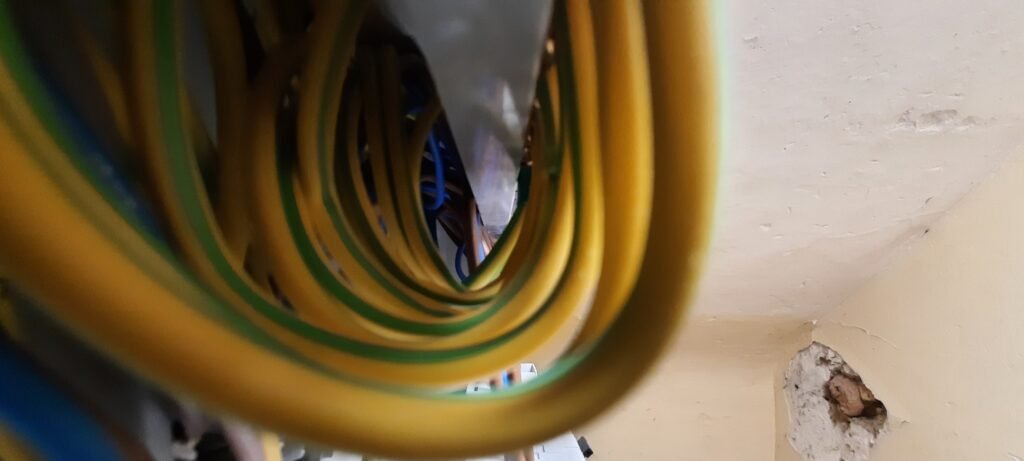
How do you know if your house needs rewiring? The warning signs, from an old fuse box and rubber cables to scorch marks and frequent tripping, and what to do next.

Bathroom electrical zones explained: what zones 0, 1 and 2 mean, which lights, fans and sockets are allowed, and when you need an electrician.
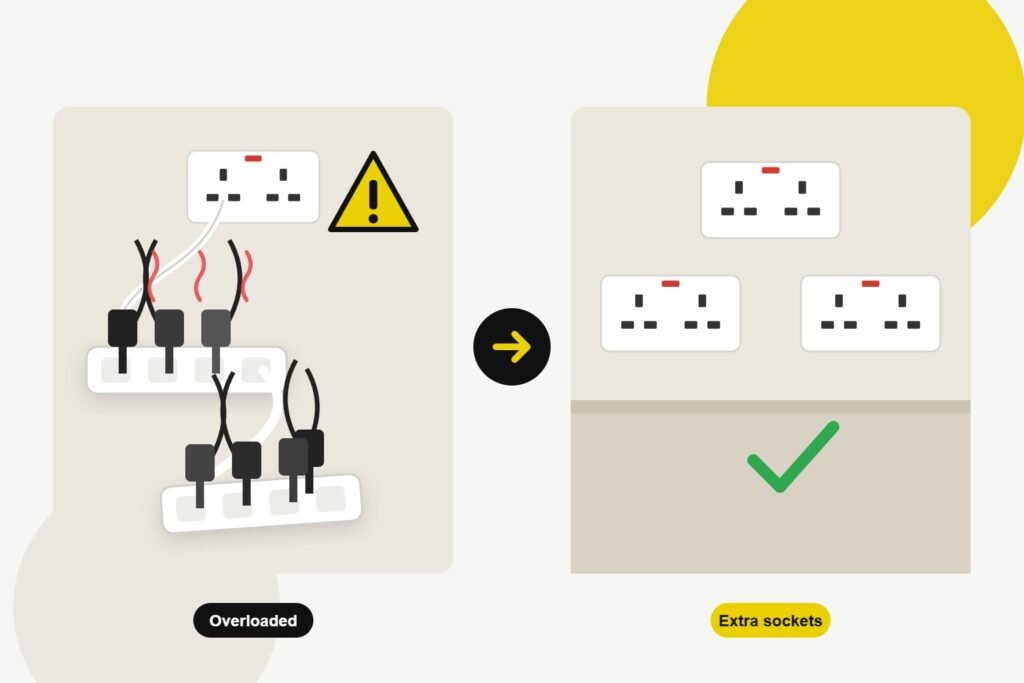
Relying on extension leads every day? Why they aren’t a long-term fix, the signs of overloading, and what’s involved in adding extra sockets.
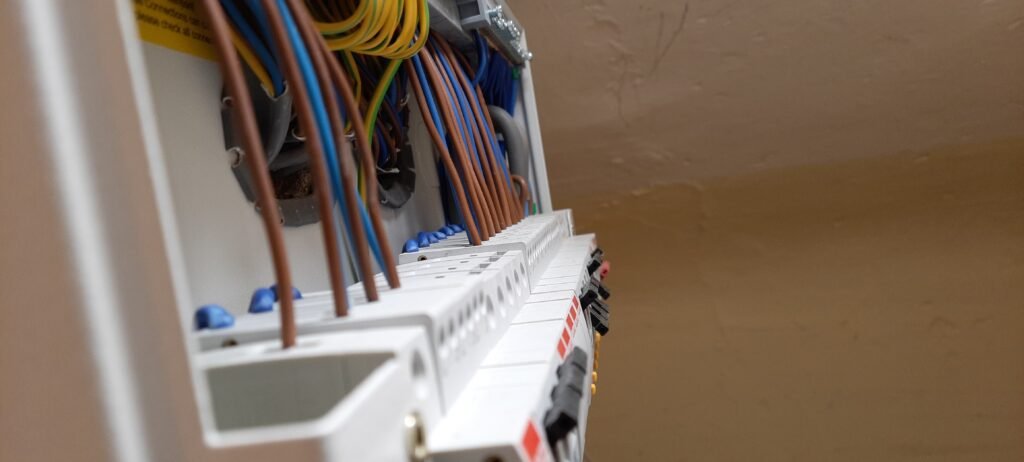
An old fuse box isn’t always dangerous, but many have no RCD protection. How to spot one, the warning signs and when it’s worth upgrading.
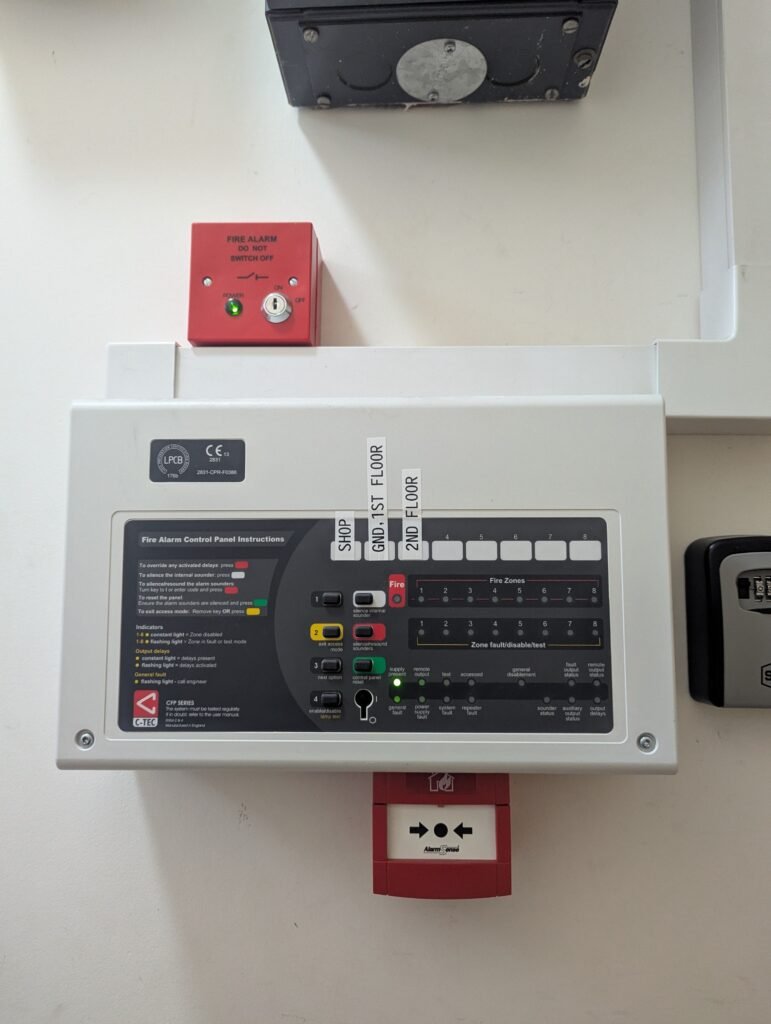
Fire alarm going off for no reason? From steam and dust to an alarm past its 10-year life, here’s what causes false alarms at home and at work, and how to stop them safely.
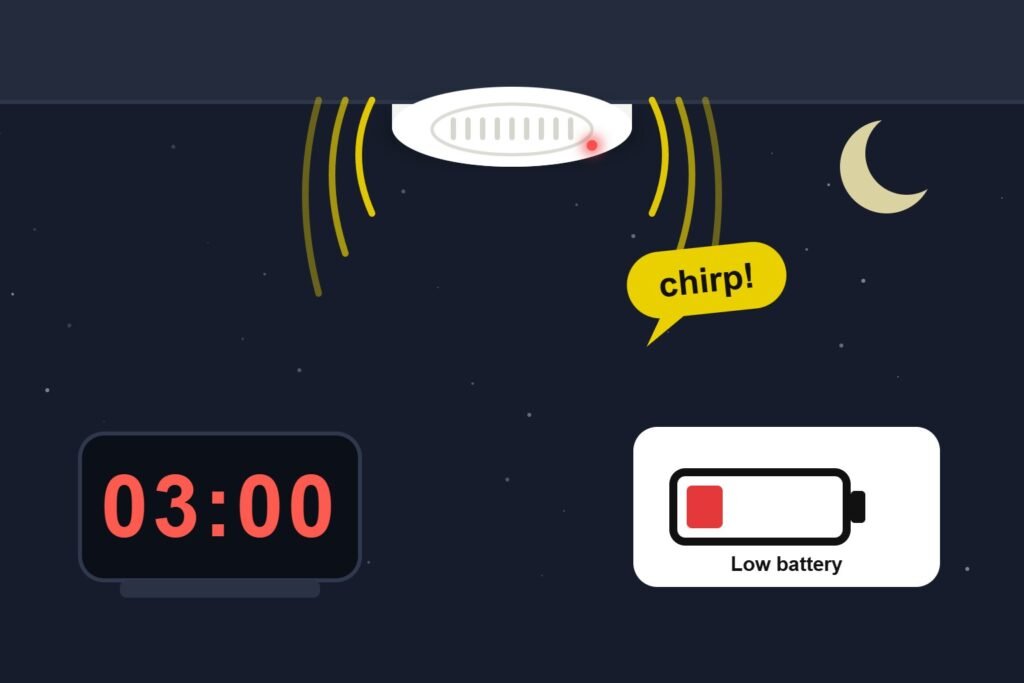
A smoke alarm chirping every minute usually means a low battery or an alarm at the end of its life. How to stop it, plus the rules for landlords.
Light switch not working? Here’s how to find the cause, from a blown bulb or a tripped lighting circuit to a loose connection or a worn-out switch, and when you need an electrician.

Socket not working but nothing’s tripped? Here’s how to find the cause, from a blown plug fuse or a switched-off fused spur to a loose connection, and when a dead socket needs an electrician.
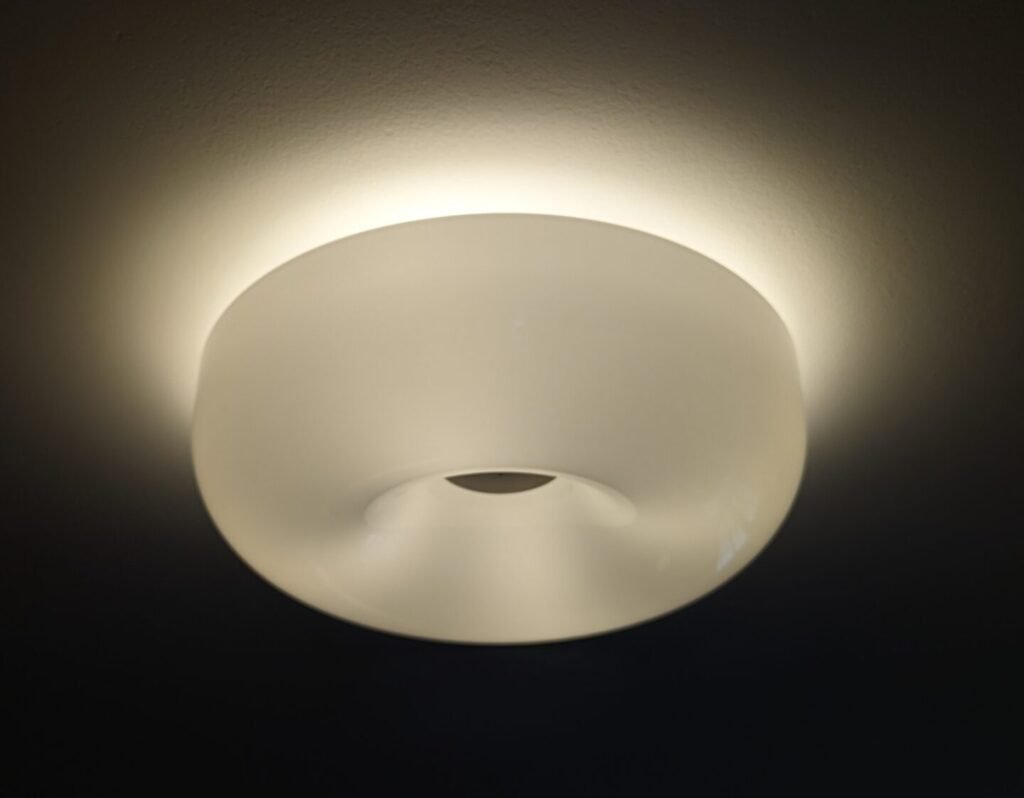
Flickering lights can be a loose bulb or a loose connection getting hot. How to tell the difference, what to check and when to call an electrician.
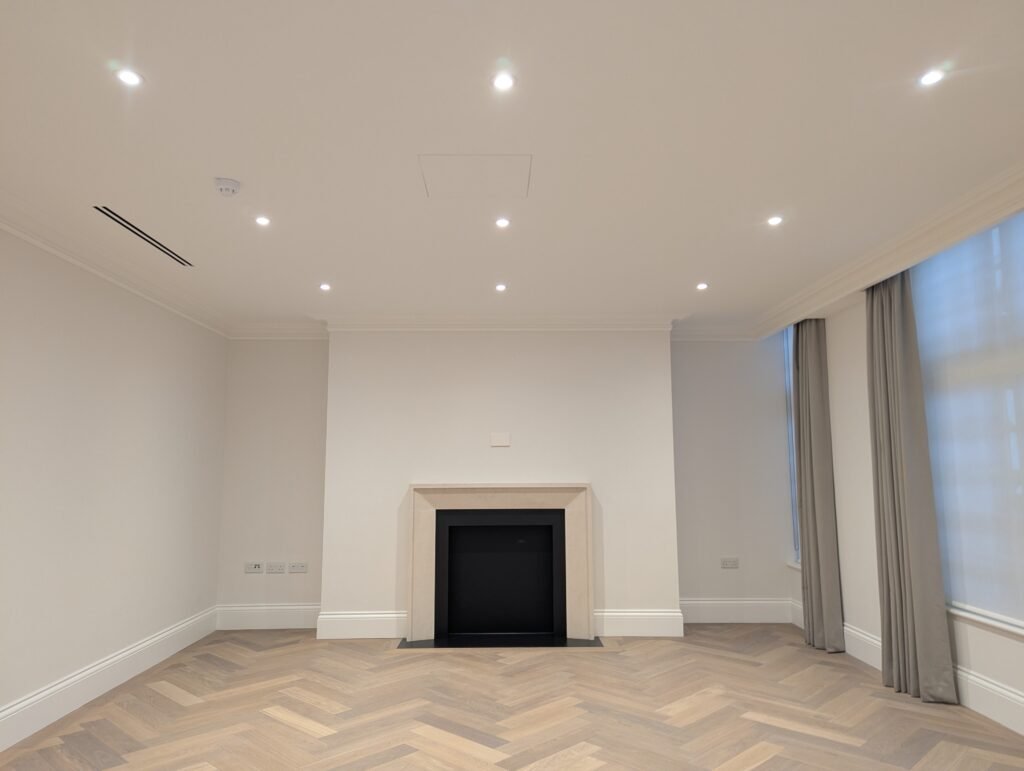
LED lights flickering? Most of the time it’s a dimmer that doesn’t suit your bulbs or a loose connection. Here’s how to read the clues, what you can safely check and when to call an electrician.