
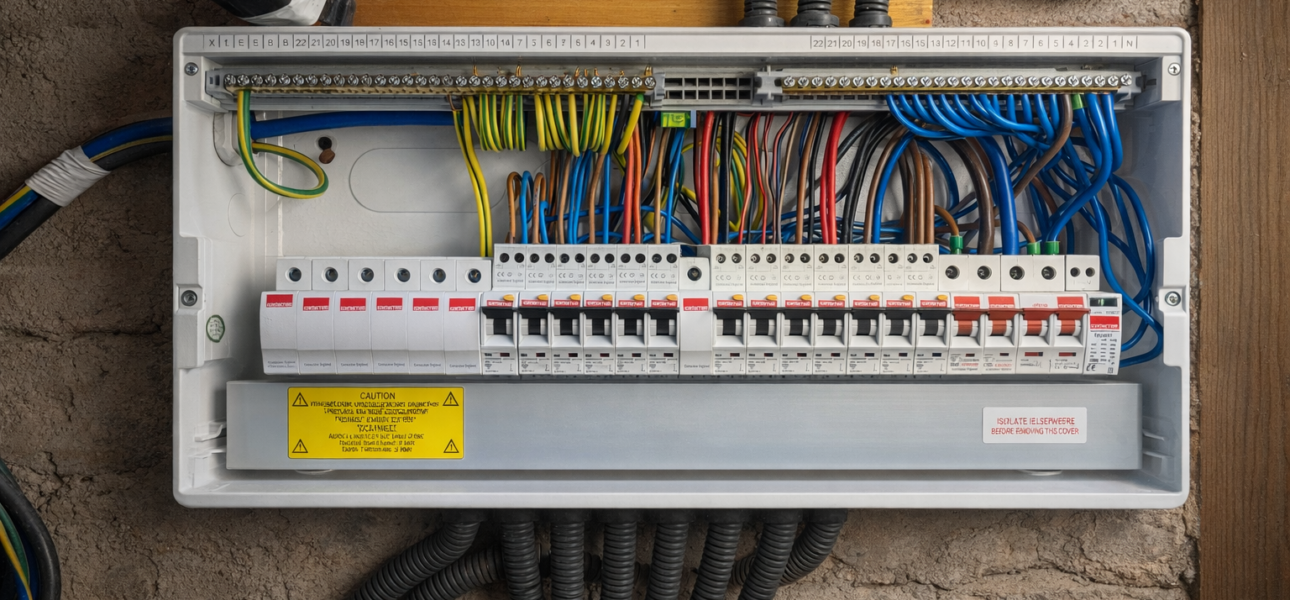
Getting an EICR when buying a house is one of the simplest ways to find out whether the electrics are safe before you commit. However, many buyers only learn about the wiring after they move in, when problems are far more expensive to fix.
In this guide, we explain whether homebuyers need an Electrical Installation Condition Report (EICR), what it checks and, most importantly, how to use the results. As a result, you can buy with confidence and budget for any work in advance.
Do You Need an EICR When Buying a House?
No, an EICR is not a legal requirement when you buy a home to live in. However, it is strongly recommended, because a standard home survey does not test the electrics.
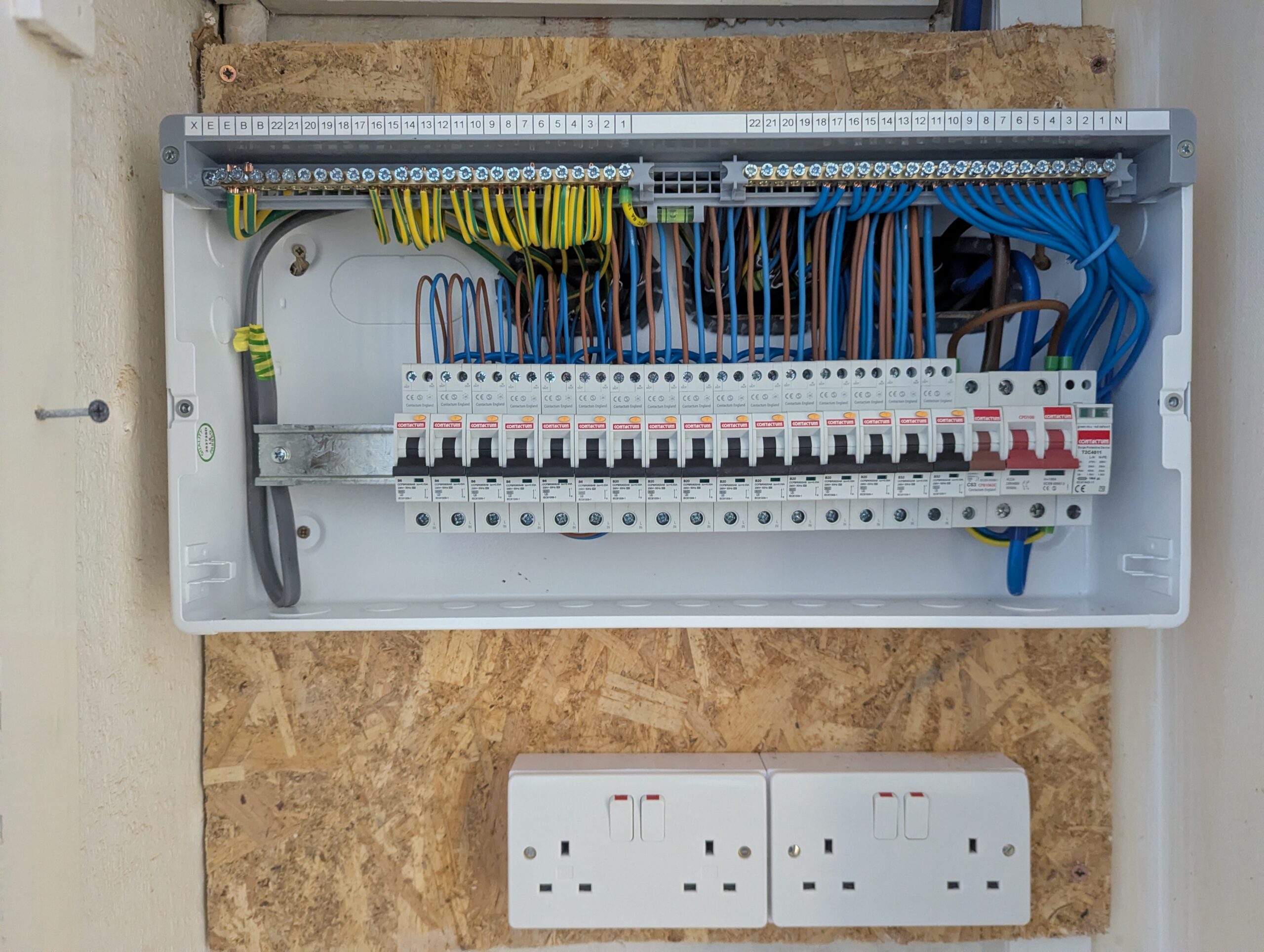
For example, a surveyor may note an old fuse box or worn sockets. Even so, only a qualified electrician can test the circuits and tell you whether they are safe. Therefore, an EICR fills the gap that a survey leaves.
Is an EICR a Legal Requirement When Buying a House?
For owner-occupiers, for example, there is no law that says a seller must provide an EICR. Similarly, most mortgage lenders do not ask for one.
However, the seller’s property information form (TA6) asks about electrical work and certificates. As a result, your solicitor may raise questions if work has been done without paperwork.
In addition, guidance for homeowners recommends an EICR at least every 10 years, and also whenever a property changes hands. Therefore, buying a house is the ideal time to get one.
Why Get an EICR When Buying a House?
- Safety first: because faulty wiring is a common cause of house fires, you should know the condition before you move in.
- Hidden costs: for example, a full rewire or a new consumer unit can cost thousands.
- Negotiation: in addition, a report with C1 or C2 codes gives you evidence to renegotiate the price.
- Peace of mind: finally, a satisfactory report means you can plan renovations without surprises.
What Does an EICR Check?
An EICR when buying a house is a detailed inspection and test of the fixed wiring. For example, the electrician checks:
- The consumer unit, RCD protection and earthing
- Sockets, switches and light fittings for damage or overheating
- Cables for wear, age and signs of DIY work
- Bonding to gas and, in addition, water pipes
- Circuits that may be overloaded and, therefore, unsafe
After that, each problem is given a code. If you want to know what they mean, read our guide to C1, C2 and C3 codes.
Warning Signs to Look For on a Viewing
Fortunately, you do not need to be an electrician to spot some red flags. For example, look out for:
- An old fuse box with rewireable fuses or, alternatively, a wooden back board
- Round-pin sockets or, for example, black rubber cables
- Scorch marks around sockets and, also, switches
- Lights that flicker, or sockets that feel warm
If you see any of these, the house may need a consumer unit upgrade or even a rewire. Therefore, an EICR when buying a house is essential before you exchange.
Buying a Home to Let? The Rules Are Different
However, if you are buying a property to rent out, the rules change. Under the Electrical Safety Standards in the Private Rented Sector (England) Regulations 2020, landlords must have the electrics inspected and tested at least every five years.
In addition, the report must be given to tenants before they move in. Therefore, a buy-to-let purchase should always include an EICR, and any urgent work must be fixed within 28 days. For more detail, read our guide on how often an EICR is needed.
How to Arrange an EICR When Buying a House
- Ask the seller first: for example, they may already have a recent EICR or certificates for new work.
- Get permission: because the power will be turned off for short periods, the seller must agree to the visit.
- Book the test: next, we inspect and test the installation, which usually takes two to four hours.
- Read the report: finally, you receive a full report with any codes explained in plain English.
What If Your EICR Finds Problems?
Don’t panic, because most reports include some observations, and many are quick to fix. However, C1 and C2 codes mean work is needed.
For example, you can ask the seller to fix the problems before completion, or alternatively you can negotiate a lower price. In either case, we can provide a written quote for the remedial work, so you know the real cost.
We Can Help
At FindElectrician.co.uk Ltd, we are NAPIT-accredited electricians carrying out EICRs for homebuyers across London. For example, we explain every code in plain English, so you know exactly what it means for your purchase. Also, our EICR prices start from £99 for a studio flat.
Contact us to book your EICR when buying a house, or to discuss the property you are buying.
or drop your contact details with brief description below and we will contact you within 12 hours.
Frequently Asked Questions (FAQ)
Do I need an EICR to get a mortgage?
Usually not, because most lenders do not ask for one. However, some lenders may request an electrical report if the surveyor flags a problem.
Who pays for an EICR when buying a house?
The buyer normally pays, because the report is for your benefit. However, some sellers get one in advance to speed up the sale.
How long does an EICR take?
For example, a typical flat or house takes two to four hours. In addition, the power will be off for short periods during testing.
Can I use an EICR to negotiate the price?
Yes, for example, if the report finds C1 or C2 codes, you can use our quote for the repairs to renegotiate.
How long is an EICR valid for?
For owner-occupied homes, an EICR is usually recommended every 10 years. However, rental properties need a new report at least every five years.

1 Comment
[…] However, for homeowners, an EICR is usually recommended every 10 years, and also when you buy a home. For more detail, read our guides on how often an EICR is needed and getting an EICR when buying a house. […]